
Both BSG (borosilicate glass) and PSG (phosphosilicate glass) are byproduct layers left behind after a doping diffusion step, and both have to be cleared before the wafer can move on to passivation and metallization. The difference is in the dopant: BSG forms during boron diffusion, PSG forms during phosphorus diffusion. That difference in dopant chemistry changes the glass layer's density and etch behavior — boron-doped glass is generally denser and more resistant to HF-based etchants than phosphorus-doped glass, so a BSG etch recipe tuned for PSG (or vice versa) typically under- or over-etches.
In a TOPCon cell, boron diffusion forms the front-side emitter and phosphorus (or an equivalent n-type dopant source) is associated with the rear polysilicon layer, so BSG and PSG removal address glass on opposite sides of the wafer at different points in the sequence. BSG removal clears the front surface after boron diffusion, ahead of alkaline polishing. PSG removal clears glass associated with the phosphorus-doped side, typically tied to the polysilicon/tunnel oxide formation sequence on the rear. Both are single-side etches by design — neither can be allowed to wrap around and attack the structure already built on the opposite face.
Because BSG is harder to fully clear, BSG removal recipes generally call for higher HF concentration, longer etch dwell time, or both, compared to an equivalent PSG removal step. This has direct equipment implications: a BSG removal line often needs a longer effective etch zone or slower belt speed at a given chemistry concentration to reach full clearance, while a PSG removal line tuned to the same dwell time may be etching well past what's needed, wasting chemistry and risking edge wrap-around.
Liquid film control, etching roller precision, and multi-zone liquid level control matter for both processes, but the target etch rate and dwell time windows are calibrated differently. Running BSG and PSG wafers through the same station with a single fixed recipe is one of the more common sources of inconsistent clearance in TOPCon lines that try to consolidate equipment beyond what the chemistry supports.
Incomplete removal at either station has a similar downstream signature: residual glass blocks the passivation layer from bonding properly at that location, creating a spot of elevated recombination that shows up as reduced open-circuit voltage or, in clustered cases, a visible pattern under electroluminescence imaging. Because BSG and PSG removal happen at different points in the line and affect different faces of the wafer, tracing an efficiency loss back to the correct station requires knowing which side and which stage is implicated — treating them as interchangeable makes that diagnosis much harder.
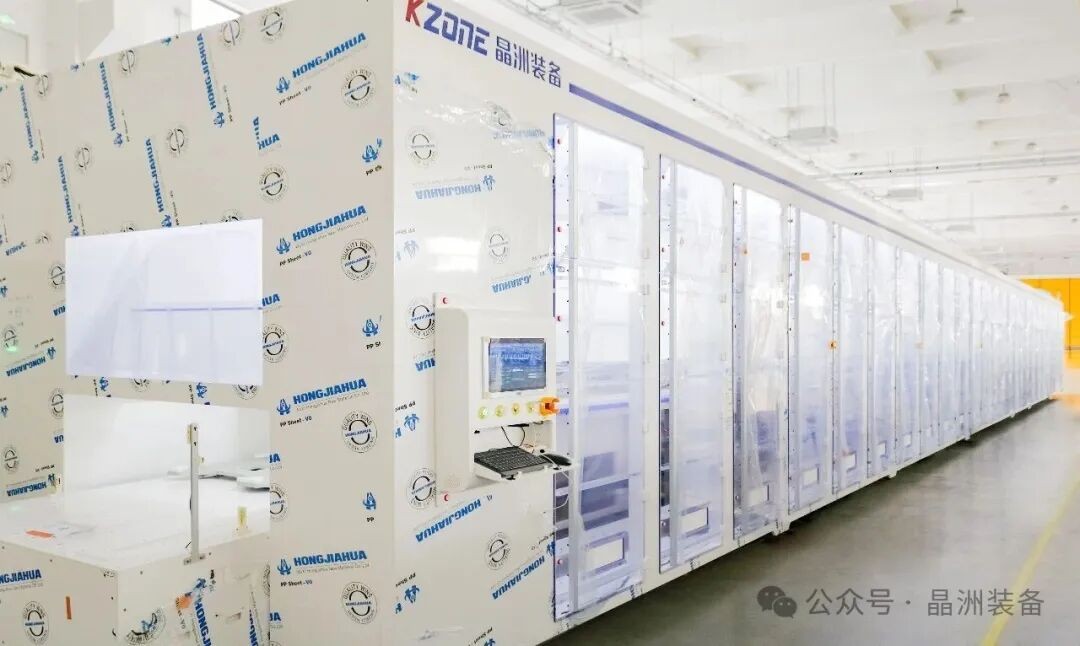
BSG and PSG removal solve the same basic problem — clearing a diffusion byproduct glass layer — but the chemistry, dwell time, and equipment tuning behind each are different enough that they're rarely interchangeable in practice. Kzone specifies BSG Removal Equipment and PSG Removal Equipment as distinct stations within its TOPCon/PERC wet process solution for exactly this reason. See Kzone's PV Industry Solutions for the full line, or contact Kzone's engineering team to review recipe and throughput requirements for both stages.