
PSG stands for phosphosilicate glass, the byproduct layer left behind when phosphorus is diffused into a wafer to create an n-type doped region. In a TOPCon cell, this diffusion step is part of forming the rear polysilicon and tunnel oxide structure. As with boron diffusion on the front side, the furnace process leaves a thin glass layer containing phosphorus oxide on the wafer surface — a layer that isn't part of the finished cell and has to be cleared before the wafer can move on to polishing and passivation.
PSG tends to be less dense and somewhat easier to etch than its boron-doped counterpart, BSG, but it still requires a dedicated, well-controlled removal step. Left in place, residual PSG can block subsequent layers from bonding cleanly to the wafer surface, creating localized defects that are far more expensive to trace once the wafer has moved further down the line.
PSG removal sits after the phosphorus diffusion step associated with the rear polysilicon layer, and ahead of alkaline polishing and RCA cleaning. Like its BSG counterpart, it has to be single-sided: the etch needs to clear the phosphorus-doped glass from the intended surface without wrapping around and attacking the front-side structure that's already in place by this stage of the line. Any wraparound etching risks damaging the front emitter or texture, which shows up later as reduced efficiency rather than as an obvious defect at the PSG station itself.
It's tempting to treat PSG and BSG removal as the same process applied to different sides of the wafer, but the underlying glass chemistry is different enough that a single fixed recipe rarely performs well for both. Boron-doped glass is generally denser and more resistant to HF-based etchants, so BSG removal typically needs higher chemistry concentration or longer etch dwell time to fully clear. Running PSG wafers through a recipe tuned for BSG tends to over-etch and waste chemistry; running BSG wafers through a PSG-tuned recipe tends to leave residual glass behind. Most TOPCon lines specify PSG and BSG removal as separate stations for exactly this reason — for a closer look at how the two compare, see our companion article on BSG removal vs PSG removal.
A handful of design factors determine whether a PSG removal tool holds spec at production volume:
- Liquid film thickness and flow rate calibrated specifically to PSG's etch characteristics, rather than reused from a BSG recipe.
- Precise etching rollers that keep the liquid film confined to one face, avoiding turnover or edge wraparound.
- Multi-zone liquid level control, so etch completeness stays consistent as wafers move through successive zones.
- Belt speed matched to the rest of the line, so PSG removal doesn't become a bottleneck feeding into polishing and cleaning.
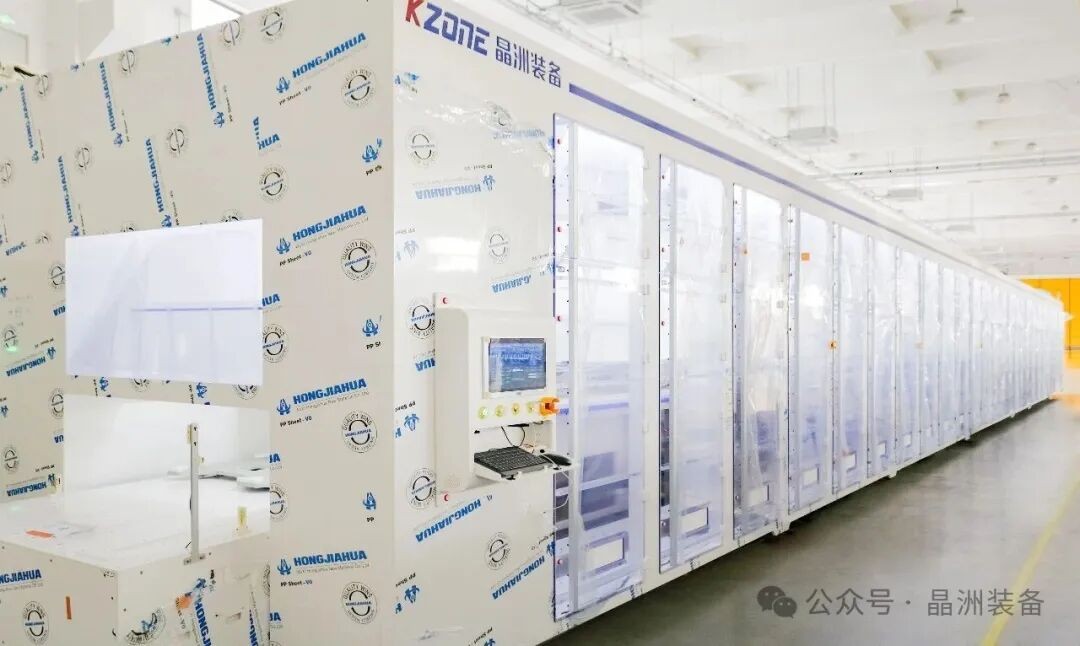
PSG removal is a smaller, often less-discussed cousin of BSG removal, but it carries the same single-side precision requirements and the same downstream consequences if it's done inconsistently. Kzone's PSG Removal Equipment is built as a dedicated chain-type single-side station within the TOPCon/PERC wet process line, tuned specifically to phosphosilicate glass rather than shared with the BSG recipe. See the full TOPCon/PERC Solution or contact Kzone's engineering team to review PSG removal requirements for your line.