
PSG cleaning is the single-side wet process step that strips phosphosilicate glass from the wafer after phosphorus diffusion, as covered in our PSG removal guide. In a chain-type inline system, wafers travel horizontally over a series of etching rollers that apply a thin, controlled film of HF-based chemistry to the target surface only. As with BSG cleaning, the wafer doesn't sit in a bath — the etchant is metered continuously as the wafer moves through the line, which is what makes single-side selectivity possible at production speed.
A small set of variables determines whether a PSG cleaning line delivers consistent results wafer after wafer:
• Liquid film thickness and flow rate — since PSG etches somewhat faster than BSG, film parameters tuned for BSG will typically over-etch PSG wafers if reused without adjustment.
• Belt (transport) speed — this sets etch dwell time and needs to be calibrated to PSG's etch rate specifically, not carried over from a different glass removal recipe.
• Liquid level stability across each etching zone — even minor fluctuations here translate directly into inconsistent glass clearance from wafer to wafer.
• Roller precision — the etching roller has to apply the liquid film evenly across the full wafer width without pooling or turnover at the edges.
When these parameters drift, the resulting defects tend to surface downstream rather than at the PSG station itself. Residual glass patches can prevent subsequent passivation layers from bonding properly, creating localized recombination that reduces open-circuit voltage. Etchant that migrates to the opposite face can damage structures already built there, creating shunting paths that are typically only caught at final cell test or through electroluminescence imaging. Because these failure modes are expensive to trace back to their source, PSG cleaning is generally treated as a station requiring tight closed-loop control rather than periodic manual adjustment.
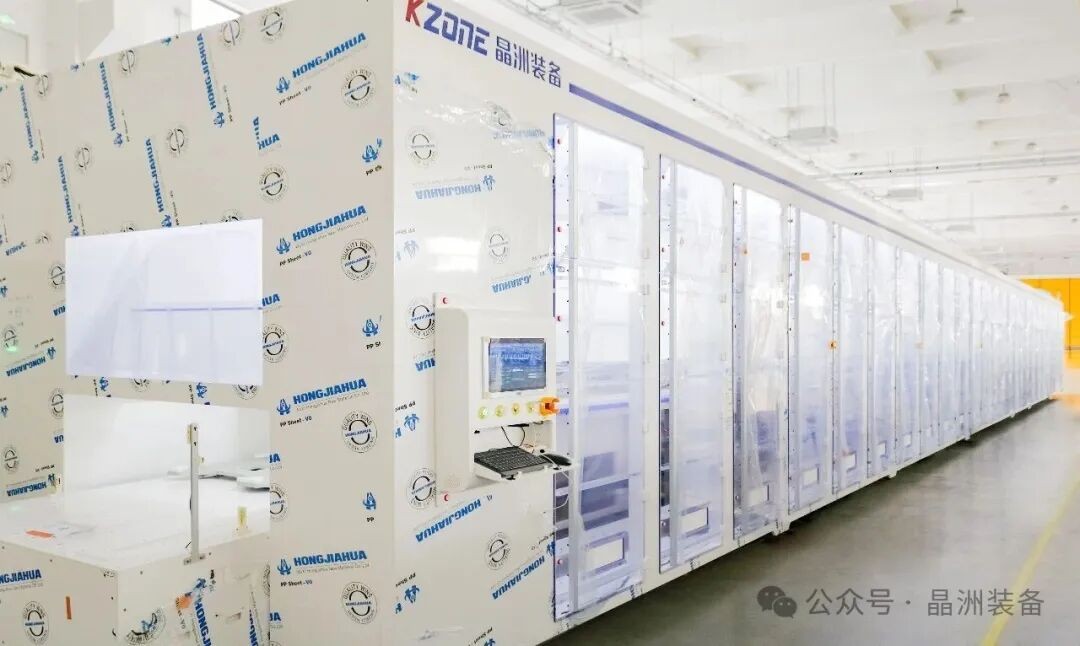
Kzone's PSG Removal Equipment is a chain-type single-side cleaning system built with precise liquid etching rollers and multi-zone liquid level control, tuned specifically to PSG's etch characteristics rather than sharing a recipe with BSG removal. It's designed to integrate with Kzone's broader TOPCon wet process line, feeding directly into alkaline polishing and RCA cleaning without wafers needing to be handled between separate batch tools.
FAQ
Can PSG and BSG cleaning share the same equipment?
They're often run on similar chain-type platforms, but the etch recipe — chemistry concentration, dwell time — needs to be tuned separately for each glass type to avoid over- or under-etching.
How do I know if PSG cleaning is incomplete?
Residual glass usually isn't visible at the PSG station; it typically shows up later as reduced open-circuit voltage or a visible pattern under electroluminescence imaging at cell test.
What's the difference between PSG and BSG removal?
See our companion article on BSG removal for a closer comparison of how boron- and phosphorus-doped glass differ in etch behavior.
Consistent PSG cleaning comes down to holding liquid film, belt speed, and liquid level in a tight, PSG-specific window rather than reusing settings from a different glass removal recipe. To see the full TOPCon/PERC wet process solution that PSG cleaning fits into, contact Kzone's engineering team about throughput requirements for your line.