
After BSG removal clears the boron-doped glass from the front surface, the wafer still carries the rough, pyramid-textured surface left over from the original texturing step — useful for light trapping on the front, but not ideal on surfaces that need a smooth base for high-quality passivation. Alkaline polishing uses a diluted KOH or NaOH solution to gently smooth these surfaces, rounding off sharp pyramid tips and reducing surface area before the wafer moves into RCA cleaning and passivation deposition.
Surface passivation quality is highly sensitive to the surface it's deposited on. A rough, highly faceted surface has more surface area and more crystallographic defects for carriers to recombine at, which works against the passivation layer's job of suppressing recombination. Polishing reduces this effective surface area and softens sharp features, giving the subsequent oxide or dielectric passivation layer a more uniform base to form on. The efficiency payoff shows up mainly as improved open-circuit voltage, since better passivation directly reduces recombination losses at the wafer surface.
Over-polishing carries its own risk, though: removing too much material can eat into the pyramid structure on the front side that keeps optical reflectance low, so polishing equipment has to hold a narrow etch-depth window rather than simply maximizing etch time.
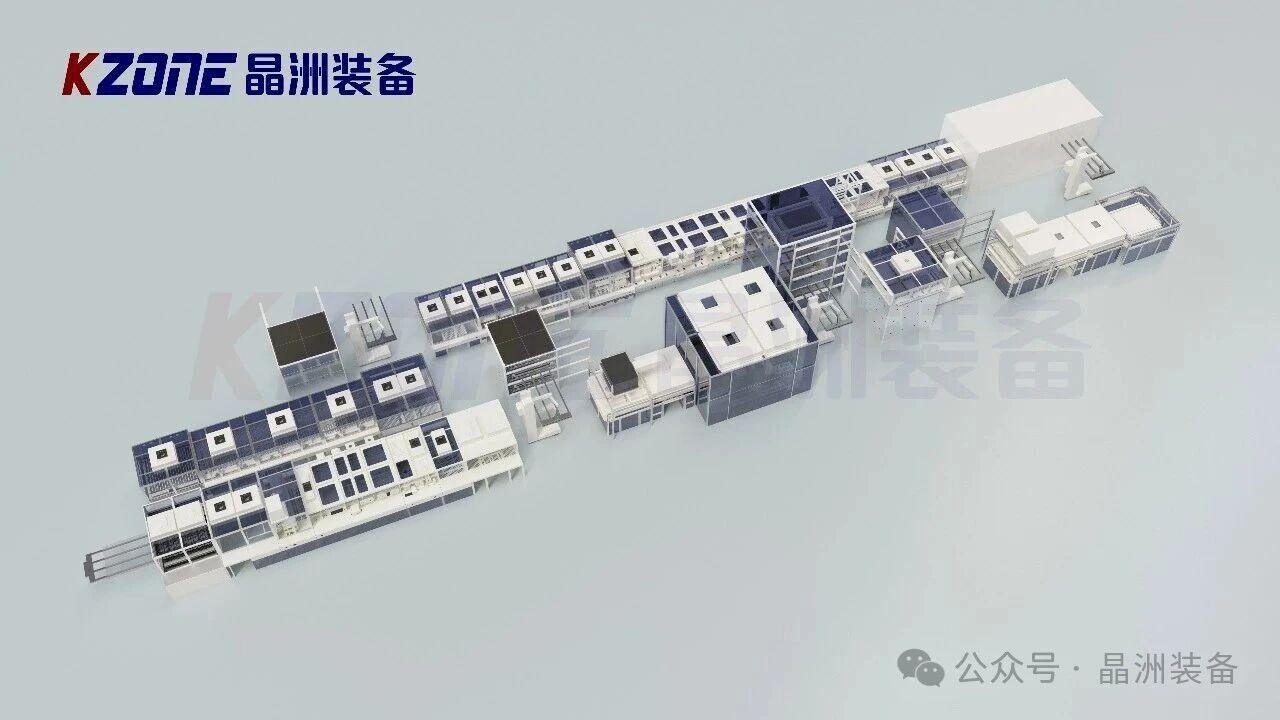
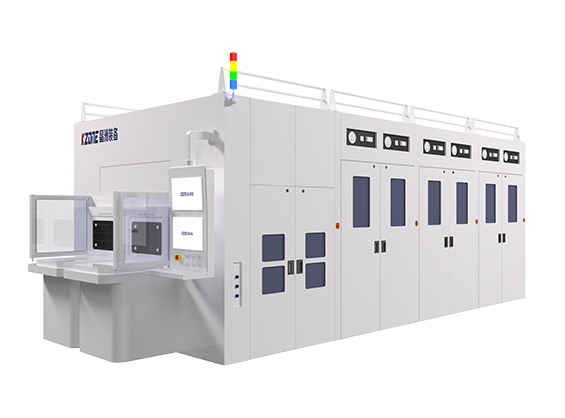
Because polishing and RCA cleaning both use wet chemical baths and both need tightly controlled dwell time, they're commonly integrated into a single multi-cassette system rather than run as separate tools. Kzone's TOPCon wet process lines pair a six-cassette alkaline polishing and RCA cleaning configuration downstream of single-sided etching, so wafers move from BSG removal through polishing and standard clean (SC-1/SC-2 style) RCA cleaning without being handled between separate batch tools — reducing both cycle time and the risk of contamination between stages.
Line capacity is what ultimately determines whether a polishing stage can keep up with the rest of a TOPCon line. Kzone's integrated 1GW TOPCon wet process line — combining chain-type single-sided etching at 5.0+ meters per minute with six-cassette alkaline polishing and RCA cleaning — is engineered for a total throughput above 18,000 182mm wafers per hour, matching the Alkaline Polishing Cleaner to the texturing and etching stages ahead of it rather than treating polishing as an isolated batch process.
Alkaline polishing is the step that turns a texturally rough, freshly-etched wafer into a surface ready for high-quality passivation — and the efficiency gains from TOPCon's rear contact depend on getting it right. To see how polishing fits into a complete TOPCon/PERC wet process solution, explore Kzone's PV Industry Solutions or contact Kzone's engineering team to discuss your line's polishing and cleaning requirements.