
BSG Cleaning in the Wet Process Line
BSG cleaning is the single-side wet process step that strips the borosilicate glass layer left behind after boron diffusion, clearing the front surface of a TOPCon wafer so it's ready for alkaline polishingand RCA cleaning. In a chain-type inline system, wafers travel horizontally over a series of etching rollers, each maintaining a thin, controlled film of HF-based chemistry against the front surface only. The wafer never sits in a bath — the etchant is metered to the surface and continuously replenished as the wafer moves through the line.
Key Process Parameters That Determine Etch Quality
A handful of variables control whether a BSG cleaning line delivers a fully cleared, defect-free surface batch after batch:
1. Liquid film thickness and flow rate — too thin and the glass layer isn't fully cleared before the wafer exits the etch zone; too thick and etchant can migrate around the wafer edge.
2. Belt (transport) speed — this sets etch dwell time and has to be matched to the specific chemistry concentration and BSG thickness coming out of the diffusion furnace.
3. Liquid level stability across each etching zone — fluctuations here show up directly as inconsistent glass removal from wafer to wafer.
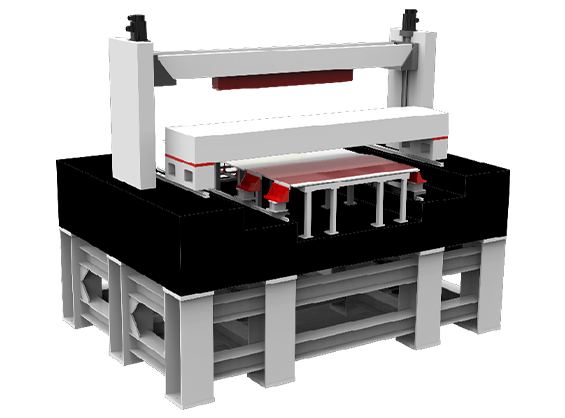
4. Roller precision — the etching roller has to apply the liquid film evenly across the full wafer width without allowing turnover or pooling at the edges.
5. Drying performance — residual moisture leaving the etch zone can cause watermarking or redeposition if the dryer can't keep pace with belt speed.
Common Defects from Incomplete or Uneven BSG Cleaning
When these parameters drift out of spec, the defects tend to show up downstream rather than at the BSG station itself, which makes them harder to trace. Residual glass patches can block subsequent passivation layers from bonding properly, leading to localized recombination and lower open-circuit voltage. Etchant that wraps around to the rear side can damage the polysilicon layer or rear passivation stack, creating shunting paths that surface as yield loss at final cell test. Uneven liquid film across the wafer width can leave a ring or gradient of incompletely cleared glass that's often only caught by downstream inspection or electroluminescence imaging.
Because these failure modes are expensive to trace back to their source, most TOPCon manufacturers treat BSG cleaning as a station that needs tight closed-loop control rather than periodic manual adjustment.
How Kzone's BSG Removal Equipment Ensures Consistency
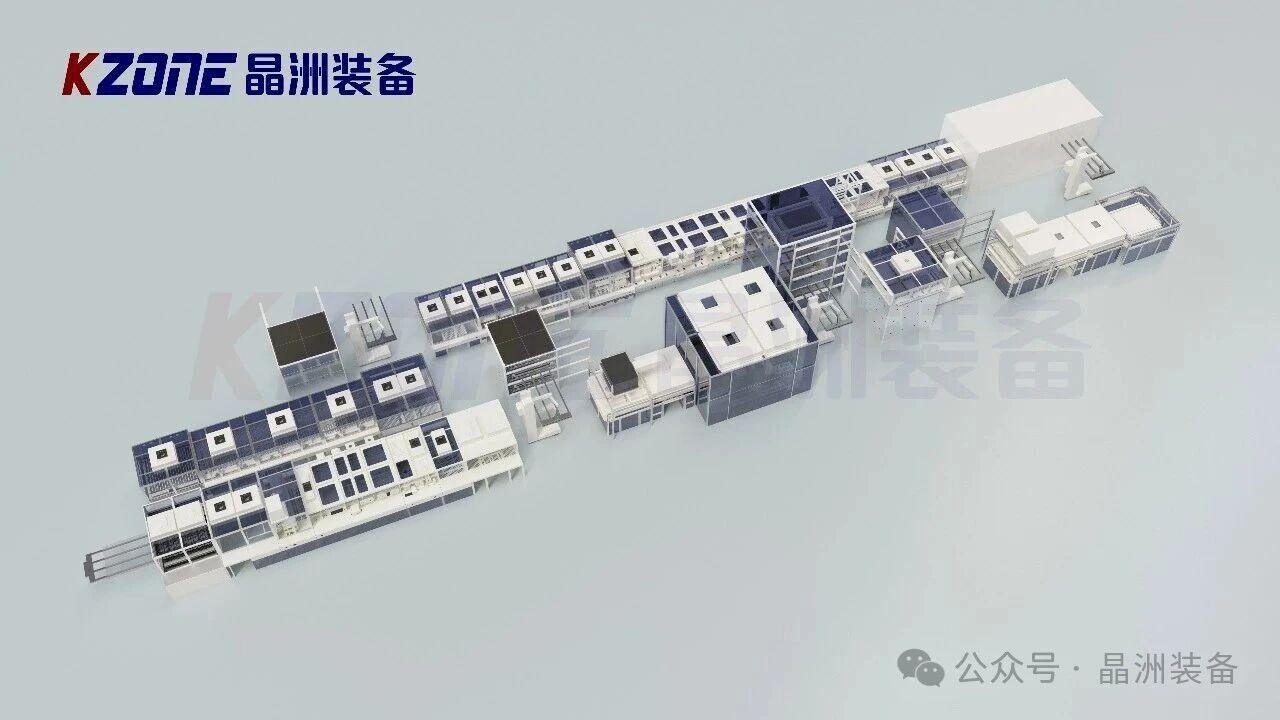
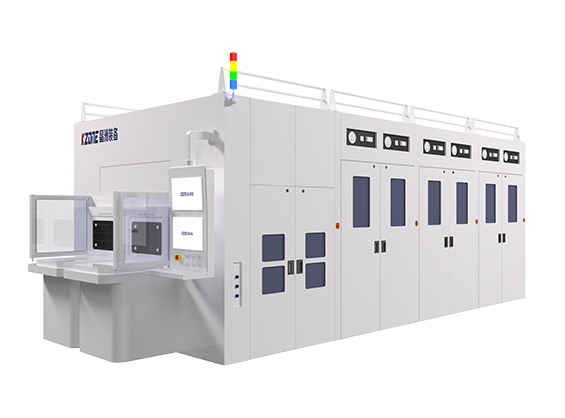
Kzone's BSG Removal Equipment is a chain-type single-side cleaning machine built around precise liquid etching rollers that avoid liquid turnover and over-etching, paired with motorized water film control for closed-loop speed and flow regulation. Multiple uniform-flow channels and multi-zone liquid level control keep etch depth consistent across the full line, and a high-speed drying stage is designed to keep pace with belt speeds up to 5.0 meters per minute — matching the throughput of Kzone's integrated TOPCon wet process lines, which run at over 18,000 182mm wafers per hour.
FAQ
How is BSG cleaning different from PSG cleaning? BSG (from boron diffusion) is generally denser and harder to fully clear than PSG (from phosphorus diffusion), so BSG removal typically calls for more aggressive chemistry or longer etch dwell time for an equivalent result.
Can BSG and PSG removal use the same equipment? The two are often specified as separate stations tuned to their respective glass chemistries — see the PSG Removal Equipment page for how Kzone handles the phosphorus-side equivalent.
What happens if BSG isn't fully removed? Residual glass can block downstream passivation and reduce open-circuit voltage, which is why closed-loop liquid film and level control matter more than single-point chemistry checks.
Conclusion
BSG cleaning looks simple on a process flow diagram, but holding it in spec at production speed depends on tight control of liquid film, belt speed, and liquid level — not just chemistry concentration. To see the full TOPCon/PERC wet process solution that BSG removal fits into, or to contact Kzone's engineering team about throughput requirements for your line.