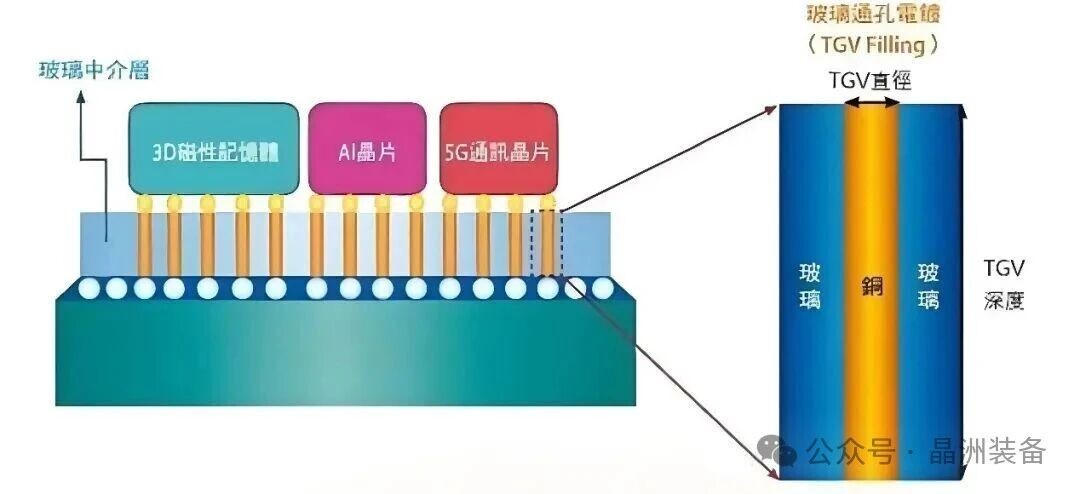

As AI computing continues to advance and automotive electronics increasingly adopt SiC and GaN technologies, semiconductor packaging is evolving from simple device protection to a critical enabler of system-level performance. Glass-based panel-level packaging (PLP) is gaining attention for its low RF loss and high thermal stability, making it a promising solution for high-density, high-frequency applications.
Through-glass via (TGV) technology is a key process in this development. Kzone’s laser-induced glass via etching system supports TGV fabrication by enabling precise, efficient, and reliable microvia processing, helping advance the adoption of glass-based packaging.
Why Laser-Induced Glass Via Etching for TGV?
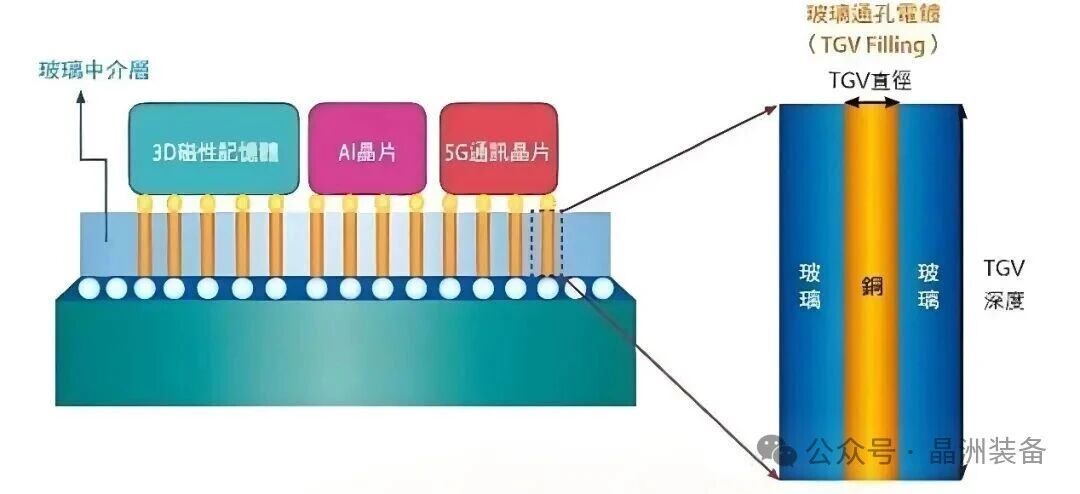
In glass-based panel-level packaging, TGV technology creates vertical microvias through a glass substrate. These vias are then filled with conductive materials such as copper to establish electrical connections between the substrate’s upper and lower surfaces. This shortens signal paths and helps improve signal transmission performance.
However, glass is both hard and brittle, making microvia fabrication challenging. Conventional methods, including direct laser ablation and dry etching, may produce rough sidewalls, edge chipping, or cracks. They can also face limitations in processing efficiency and high-aspect-ratio via fabrication, making it difficult to meet the stringent precision and reliability requirements of AI chips and automotive electronics.
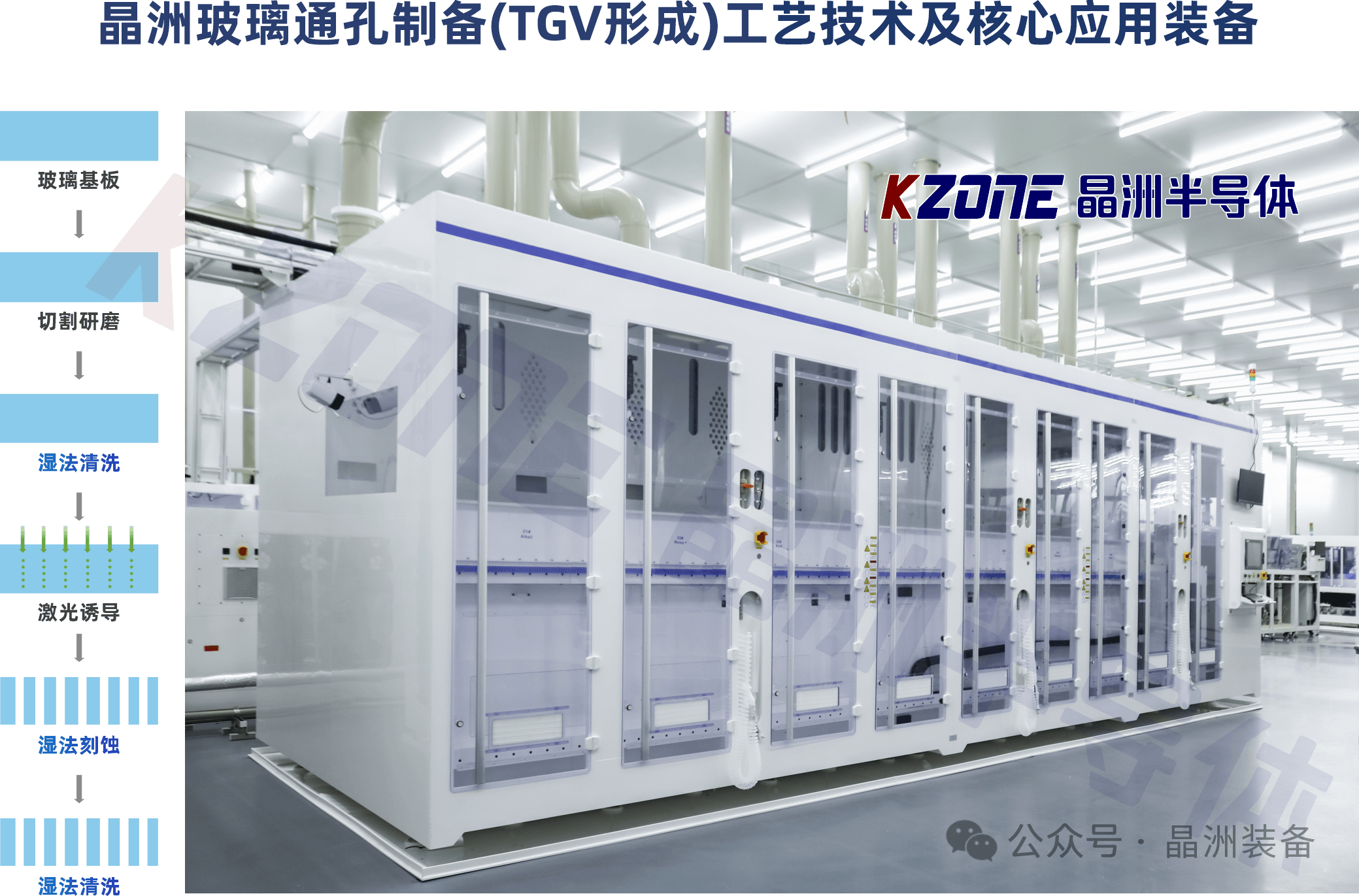
Kzone’s laser-induced glass via etching system combines laser modification with chemical etching to create microvias with high precision and good sidewall quality. By balancing processing quality and production efficiency, the system provides equipment support for TGV manufacturing and the development of glass-based panel-level packaging.
4 Key Advantages of Kzone’s TGV Etching System
1. Uniform Processing for Improved Reliability
Optimized temperature control and circulation performance help maintain consistent etching conditions. Smooth via sidewalls and reduced chipping and cracking help support subsequent metal filling, reducing the risk of poor electrical connections and improving packaging reliability.
2. High Throughput for Panel-Level Production
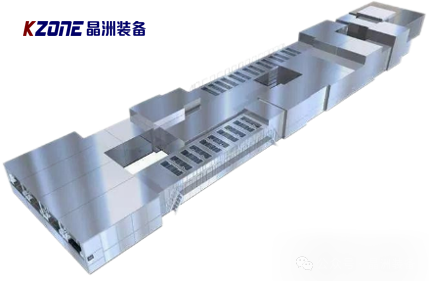
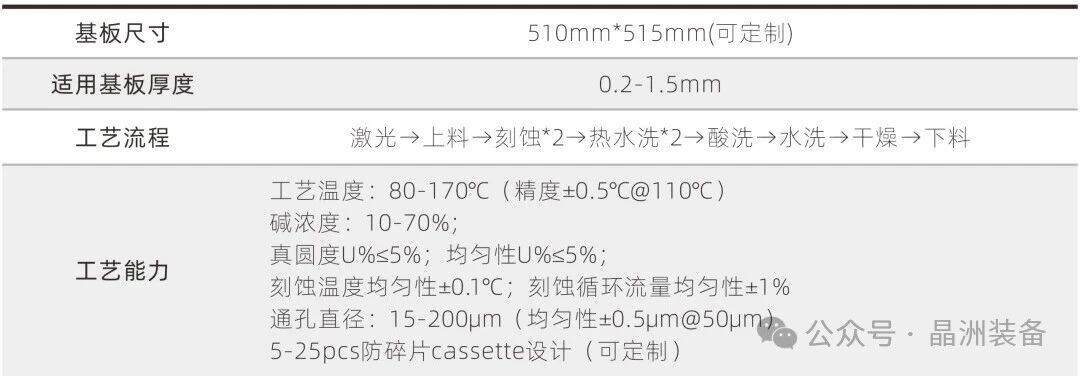
The vertical basket-based process design supports high processing capacity and is suited to the production requirements of panel-level packaging. Its throughput capabilities can help improve manufacturing efficiency and reduce processing costs.
3. Flexible Processing for Different Applications
The system supports different via configurations, including through-holes and blind vias, and accommodates glass substrates of varying thicknesses. It can support interposer fabrication for 2.5D integration and via processing for 3D packaging, with potential applications in AI computing, automotive electronics, and optical communications.
4. Automated Handling for Stable Production
The automated system features a stable mechanical structure and material transfer system designed to reduce glass breakage during handling and processing. This helps improve production yield, process stability, and operational efficiency, while supporting equipment maintenance and future expansion.
As laser-induced glass via processing continues to develop, its potential applications are expanding across the semiconductor industry.
● AI and high-performance computing: TGV technology supports high-density interconnects and advanced packaging architectures for demanding computing applications.
● Automotive electronics: Reliable glass via processing can support advanced packaging requirements in automotive semiconductor applications, including systems based on SiC and GaN devices.
● High-frequency communications: Glass substrates offer low RF loss, making them attractive for high-frequency components and communication modules.
● Optical communications and photonic integration: TGV processing can support electrical interconnections in packaging architectures that integrate optical and electronic components.
With its focus on processing precision, throughput, and automated handling, Kzone’s laser-induced glass via etching system provides equipment support for these emerging applications.
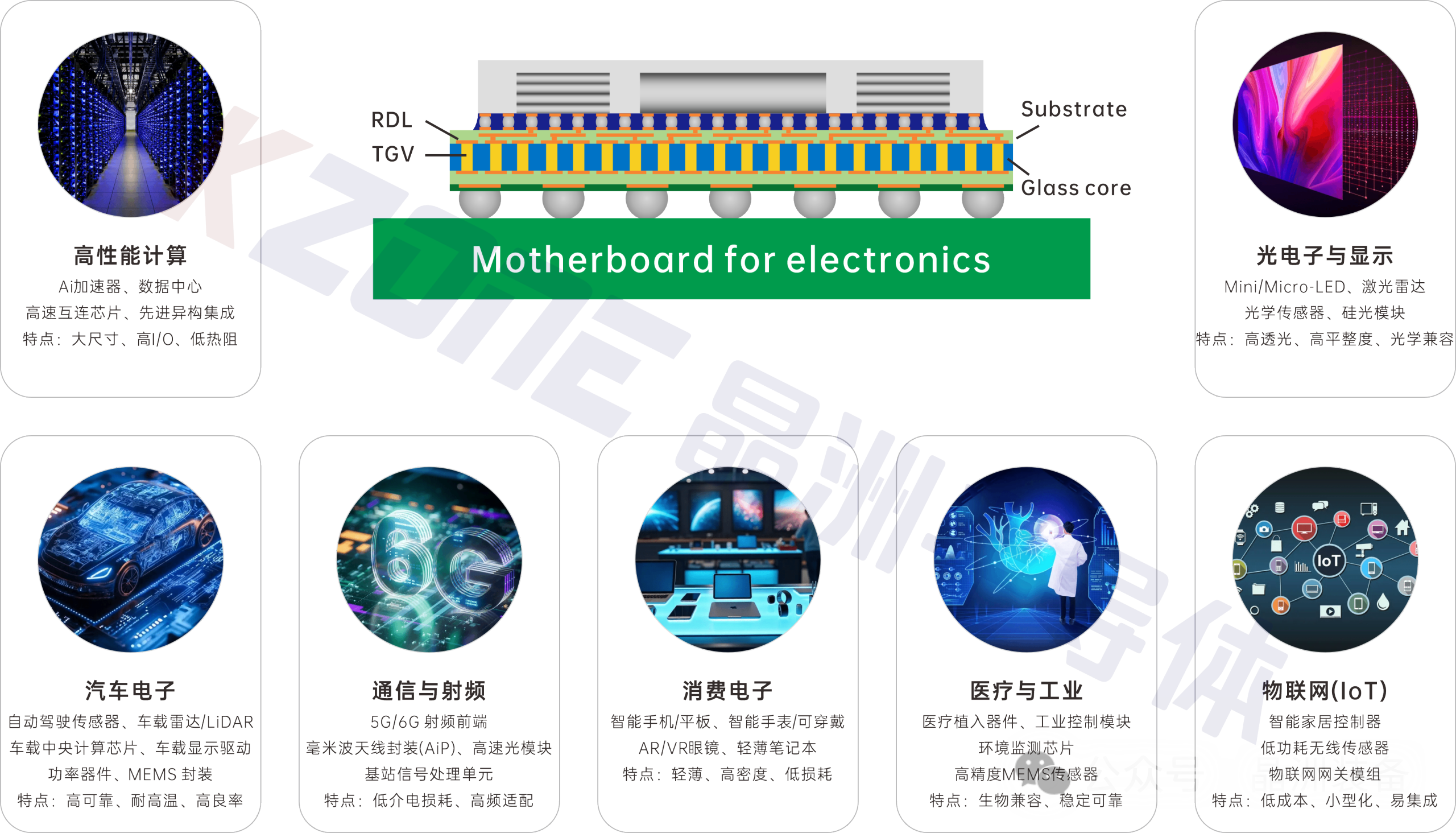
Advanced packaging depends not only on innovative materials and process technologies but also on reliable manufacturing equipment. As a key part of TGV processing, laser-induced glass via etching helps address some of the challenges associated with fabricating microvias in brittle glass substrates.
With potential applications in AI computing, automotive electronics, high-frequency communications, and photonic integration, this technology is expected to play an increasingly important role in the development of glass-based advanced packaging. As domestic semiconductor equipment technology continues to mature, Kzone remains focused on providing precision wet-process and patterning equipment to support the industry's evolving manufacturing needs.
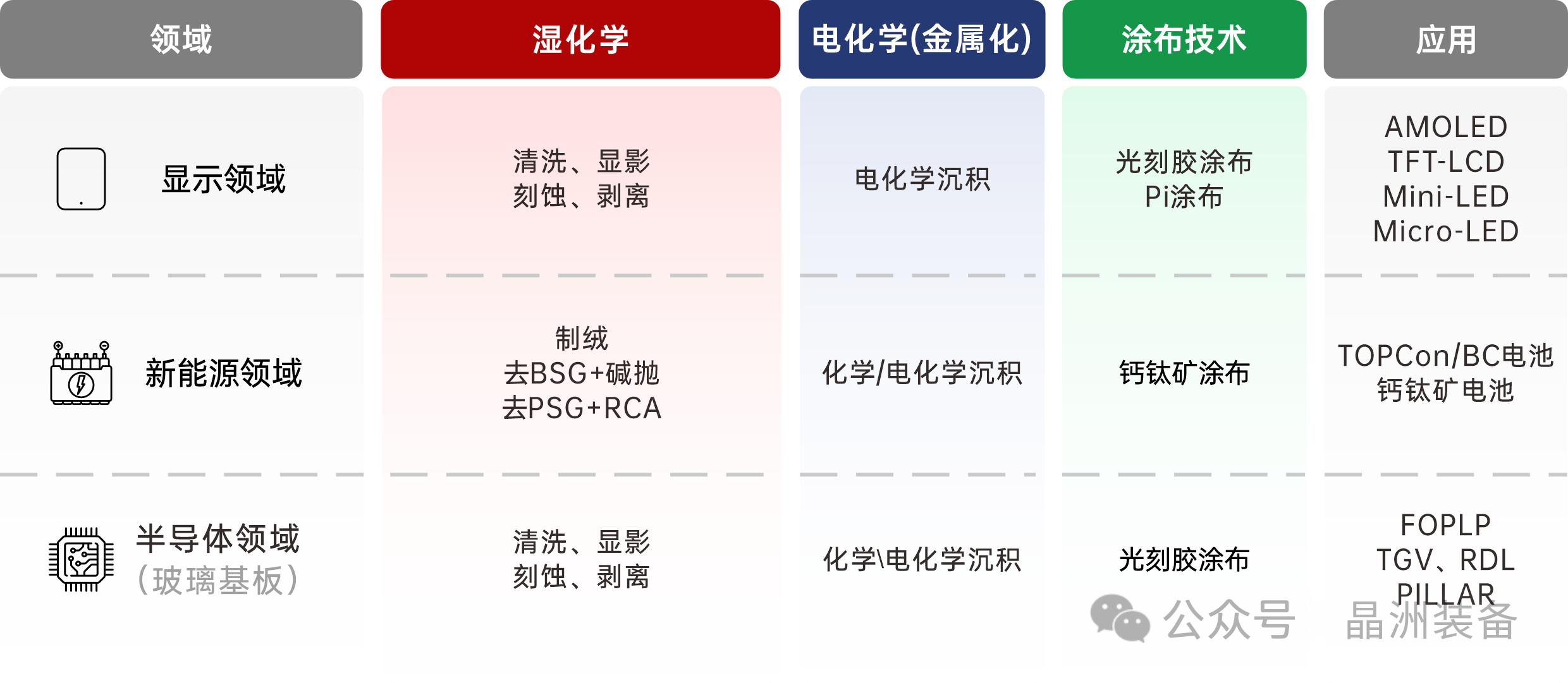
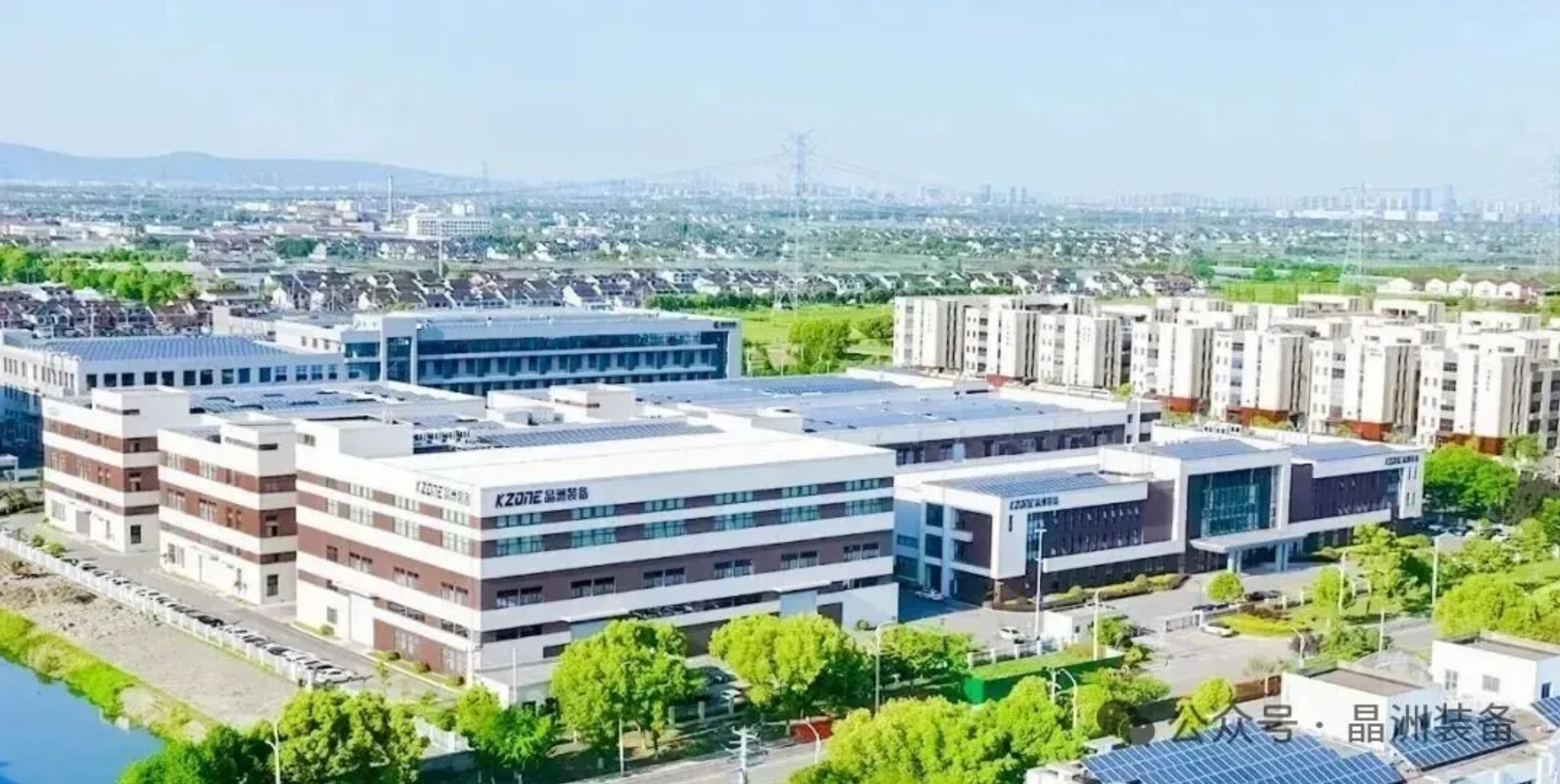
Founded in 2011 in Changshu, Jiangsu, China, Kzone is a high-tech enterprise specializing in wet chemical and electrochemical process technologies and equipment. Kzone provides high-precision cleaning, coating, developing, etching, photoresist stripping, and electrochemical deposition equipment for the advanced display, photovoltaic, and semiconductor industries. Kzone also offers innovative solutions for online waste-liquid recovery, intelligent manufacturing integration, and data analytics, helping customers improve production sustainability and operational intelligence.