
PSG Cleaning Best Practices: Achieving Consistent Single-Side Etch Results
PSG cleaning is the single-side wet process step that strips phosphosilicate glass from the wafer after phosphorus diffusion, as covered in our PSG removal guide.
PSG Removal in TOPCon Cell Production: Process and Equipment Guide
PSG stands for phosphosilicate glass, the byproduct layer left behind when phosphorus is diffused into a wafer to create an n-type doped region.
Edge Etching Explained: Wet Chemical Methods for Edge Shunting Prevention
Among the various techniques used for edge isolation in solar cell manufacturing, wet chemical edge etching remains one of the most widely adopted methods.
Edge Isolation in Solar Cell Manufacturing: Why It's Needed and How It Works
In modern photovoltaic manufacturing, producing high-efficiency solar cells requires precise control over every microscopic feature on the wafer surface.
Solar Cell Wet Processing: What It Is and Why It's Central to PV Efficiency
Solar cell wet processing covers every step in cell production that uses a liquid chemical bath or film — as opposed to a gas, plasma, or vacuum-based process — to clean, etch, texture, or polish a wafer surface.
Solar Manufacturing Process: An Overview of Wet Chemical Steps in Cell Production
The solar manufacturing process spans everything from raw silicon to a finished, testable solar cell: growing or receiving the silicon ingot, slicing it into wafers, and then running those wafers through a long sequence of wet chemical, thermal, and deposition steps that build up the cell's electrical structure.
From Texturing to Polishing: A Step-by-Step Look Inside the TOPCon Wet Process Line
Across the previous articles in this series, we've looked at each stage of a TOPCon wet process line individually — wafer texturing, single-side oxide etching, BSG removal, and alkaline polishing.
BSG Removal vs PSG Removal: Understanding the Differences in TOPCon Wet Processing
Both BSG (borosilicate glass) and PSG (phosphosilicate glass) are byproduct layers left behind after a doping diffusion step, and both have to be cleared before the wafer can move on to passivation and metallization.
Wet Processing 101: How Wet Chemical Equipment Powers PV and Semiconductor Production
Wet processing is the umbrella term for any manufacturing step that uses a liquid chemical bath, spray, or film to clean, etch, texture, polish, or coat a substrate.
Chemical Etching in PV and Semiconductor Manufacturing: An Overview
Chemical etching, also called wet etching, uses a liquid chemical bath or film to selectively remove material from a substrate's surface.
Single-Side Oxide Etching: Enabling High-Efficiency TOPCon Cell Structures
Single-side oxide etching removes a doped glass or oxide layer from one face of a wafer while leaving the opposite face fully intact.
Alkaline Polishing in Solar Wafer Processing: Improving Passivation and Efficiency
After BSG removal clears the boron-doped glass from the front surface, the wafer still carries the rough, pyramid-textured surface left over from the original texturing step — useful for light trapping on the front, but not ideal on surfaces that need a smooth base for high-quality passivation.
BSG Cleaning Explained: Process Steps, Equipment, and Best Practices
BSG cleaning is the single-side wet process step that strips the borosilicate glass layer left behind after boron diffusion, clearing the front surface of a TOPCon wafer so it's ready for alkaline polishing and RCA cleaning.
BSG Removal in Solar Cell Production: Why It Matters for TOPCon Efficiency
BSG stands for borosilicate glass, the byproduct layer that forms on the surface of a wafer during boron diffusion.
Alkaline Texturing vs Acidic Texturing: Which Wet Process Fits N-Type Solar Cells?
Every crystalline silicon cell needs a textured surface to keep reflectance low, but the chemistry used to get there depends on the wafer's crystal structure.
What Is Wafer Texturing? A Guide to Alkaline Texturing in PV Cell Manufacturing
A polished silicon wafer straight out of the ingot-slicing process is a poor light absorber. Its flat, mirror-like surface reflects roughly 30–35% of incident sunlight before it ever reaches the p-n junction, which caps the amount of current a finished cell can generate.
Kzone | Hydrofluoric Acid Cleaning Equipment Wins "Collaborative Development Award"
Kzone EcoChem™ technology solves the challenge of developer solution recycling, ushering in a new era of green manufacturing.
Savoring the Artistry of Zongzi—Kzone Wishes You a Safe and Joyful Dragon Boat Festival.
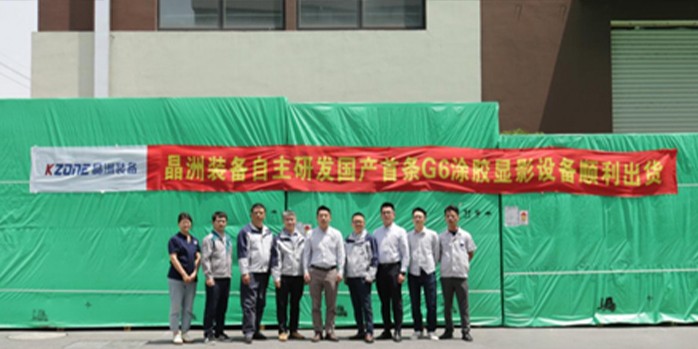
Kzone | First Domestically Produced G6 Coating and Developing System Delivered to a Leading Panel Manufacturer
As a critical piece of process equipment in display panel manufacturing, the successful delivery of this system marks a major breakthrough for my country in the field of high-precision wet processing for display panels.
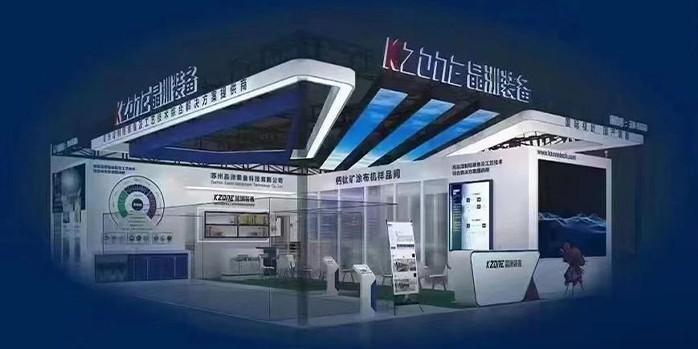
Nano-Cleaning, Air-Flotation Coating | SNEC 2024: Kzone Invites You to Discover Our New Products
The SNEC 17th (2024) International Photovoltaic Power Generation and Smart Energy Conference & Exhibition (hereinafter referred to as "SNEC PV Power Expo") will be grandly held at the National Exhibition and Convention Center (Shanghai) from June 13 to 15, 2024.
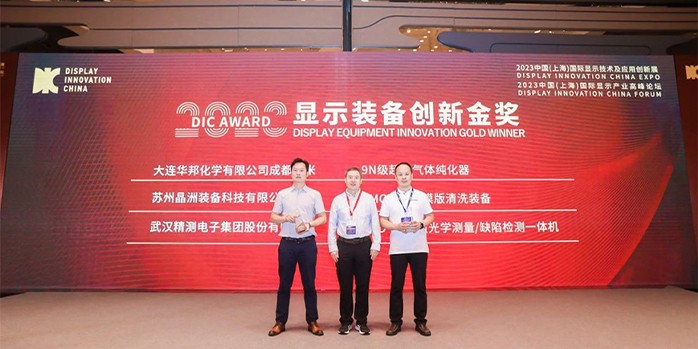
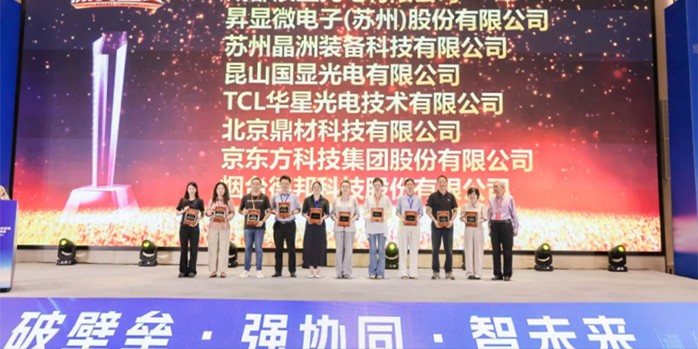
"Shining Bright" — Kzone Participates in DISPLAY INNOVATION CHINA EXPO 2023, Wins Gold Award for Equipment Innovation
From August 29 to 31, DIC 2023—the China (Shanghai) International Display Technology and Application Innovation Exhibition—kicked off grandly at the Shanghai New International Expo Centre. Hosted by the Liquid Crystal Branch of the China Optics and Optoelectronics Manufactures Association (COEMA), the event features Kaone as an invited exhibitor. We are showcasing our achievements in the localization of wet process equipment and look forward to welcoming you.